 TaxTax
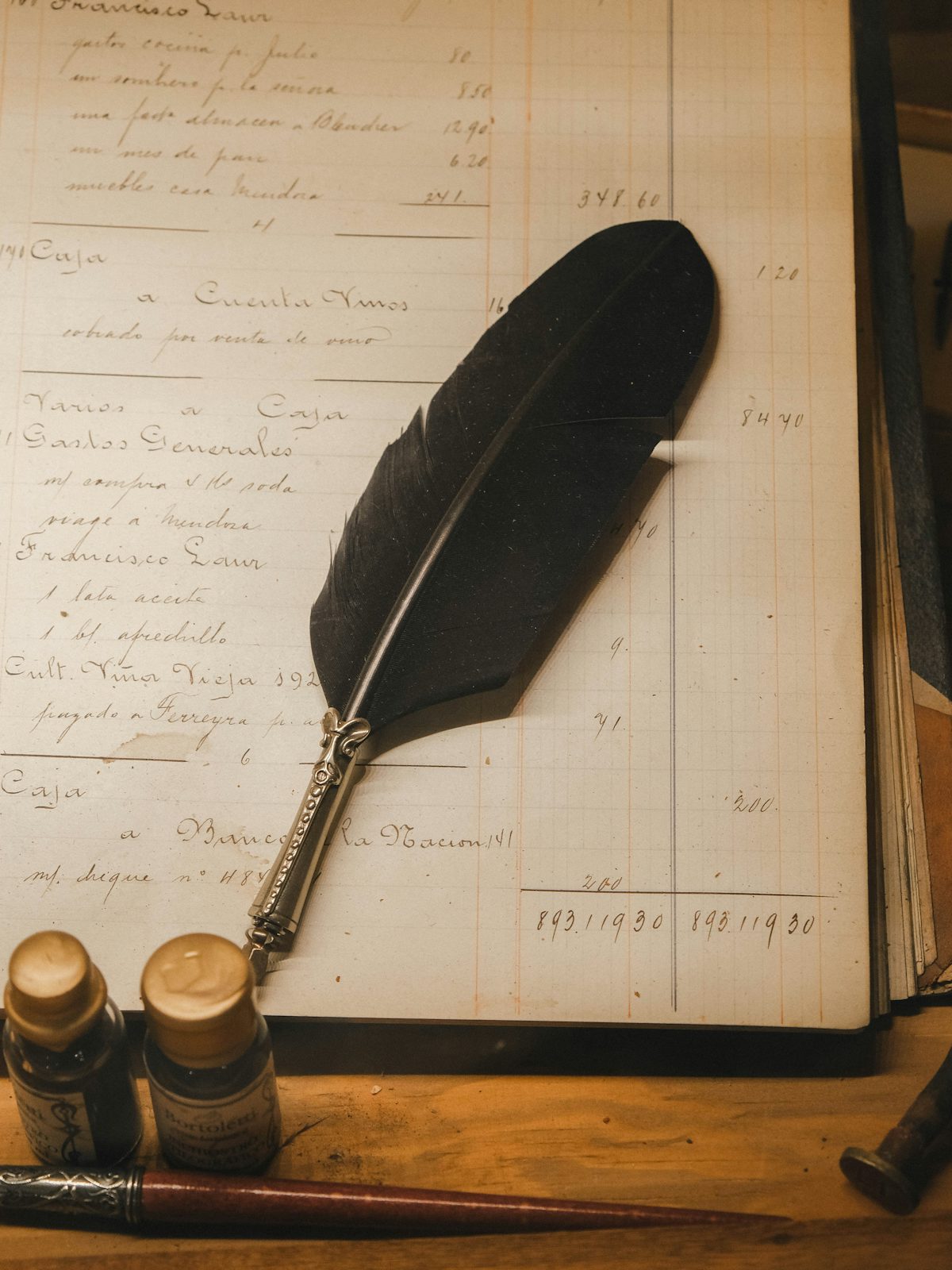
In the significant Australian treatise on taxation in 1947, the author, Mr J.A.L Gunn, had this to say: “Since the first edition of this volume was published in March 1943, the Commonwealth Parliament has passed seven amending Income Tax Assessment Acts containing 107 pages … the number and importance of the changes in the law have necessitated the writing of a new book on Commonwealth income tax.”
That edition served until 1950, when a new edition stated the law as it stood on 1 October 1950.
By the early 1960s, the pace of change had increased to a point where it became necessary to publish income tax text in a loose-leaf form with regular updates. Since then, the volume of taxation material has increased rapidly. Today, the pace of change has multiplied so quickly that handling and filling those loose-leaf updates would be ridiculous. Practitioners must now rely on keeping current using electronic publications and powerful search engines.
Income tax was first imposed by South Australia in 1884. New South Wales and Victoria followed in 1895, Queensland and Tasmania in 1902, and Western Australia in 1907. Commonwealth income tax did not commence until 1916 and was imposed to finance Australia's contribution towards World War I.
At that time, the states collected income taxes for themselves and on behalf of the Commonwealth Government. This practice continued through 1936, when a consolidated Act came into force (the Income Tax Assessment Act 1936), until 1942 when, as a wartime measure, the Commonwealth Government took over responsibility for the imposition and collection of all income tax. This position continues to the present day. Until 30 June 2000, the Commonwealth made grants from income tax collected to provide the revenue needs for the states. In July 2001, the Goods and Services Tax (GST) was introduced, with the proceeds going directly to the states instead of grants.
There have been so many complex changes to the Income Tax Assessment Act 1936 (ITAA 1936) that this Act is now almost impossible to understand. The government decided to commence what it called a simplification process by rewriting the complete Act. This process began in 1997 under a new Act - the Income Tax Assessment Act 1997 (ITAA 1997), gradually superseding ITAA 1936. The process was suspended in 1998 as the Government commenced a substantial tax reform programme. Currently, tax professionals have the unusual situation of having to be familiar with both Acts. This will continue until the IITA 1936 is completely rewritten.
During 2006, more than 4100 pages of in operative tax law were removed by an amending Act. These included 2600 pages of income tax law and 1500 pages from other taxing Acts. Over half of ITAA 1936 has been removed as an operative and obsolete.
Several attempts to avoid payment of taxes on the grounds that the taxing Acts were unconstitutional have failed. The Courts have held that the Commonwealth Government has full power to impose taxes, providing it does not discriminate between the states or impose taxes on property belonging to a state.
The Australian Taxation Office (Tax Office) and the Commissioner of Taxation administer the income tax system.
A Deputy Commissioner of Taxation heads each branch of the Tax Office. These officers are charged with collecting income taxes following the legislation and enforcing compliance by taxpayers.
Disclaimer: We believe this information to be correct at the time of publication. It is general in nature, for guidance only and is not intended to be personal advice. It should not be relied upon without obtaining professional advice regarding your direct circumstances. No responsibility can be accepted by any publisher, author, editor, contributor or consultant for loss occasioned directly or indirectly to any person acting or refraining from acting wholly or partly upon or resulting from the material in this publication nor for any error in, broken link or omission from the publication.
© Copyright Andrew Lovett – All rights reserved. No part of this publication may be republished in any form or by any means, electronic, photocopying, recording or otherwise, without written permission.
Director at Lovetts, the firm’s third generation.
One plain-English tax article from Andrew every week. Free, no spam, unsubscribe any time.
We’ll tell you honestly if there’s anything to fix.
Get in touchCall 07 3012 9580Email info@lovetts.com.au
Registered Tax Agent 7964 3008